Installation
How to improve energy efficiency with modern window solutions
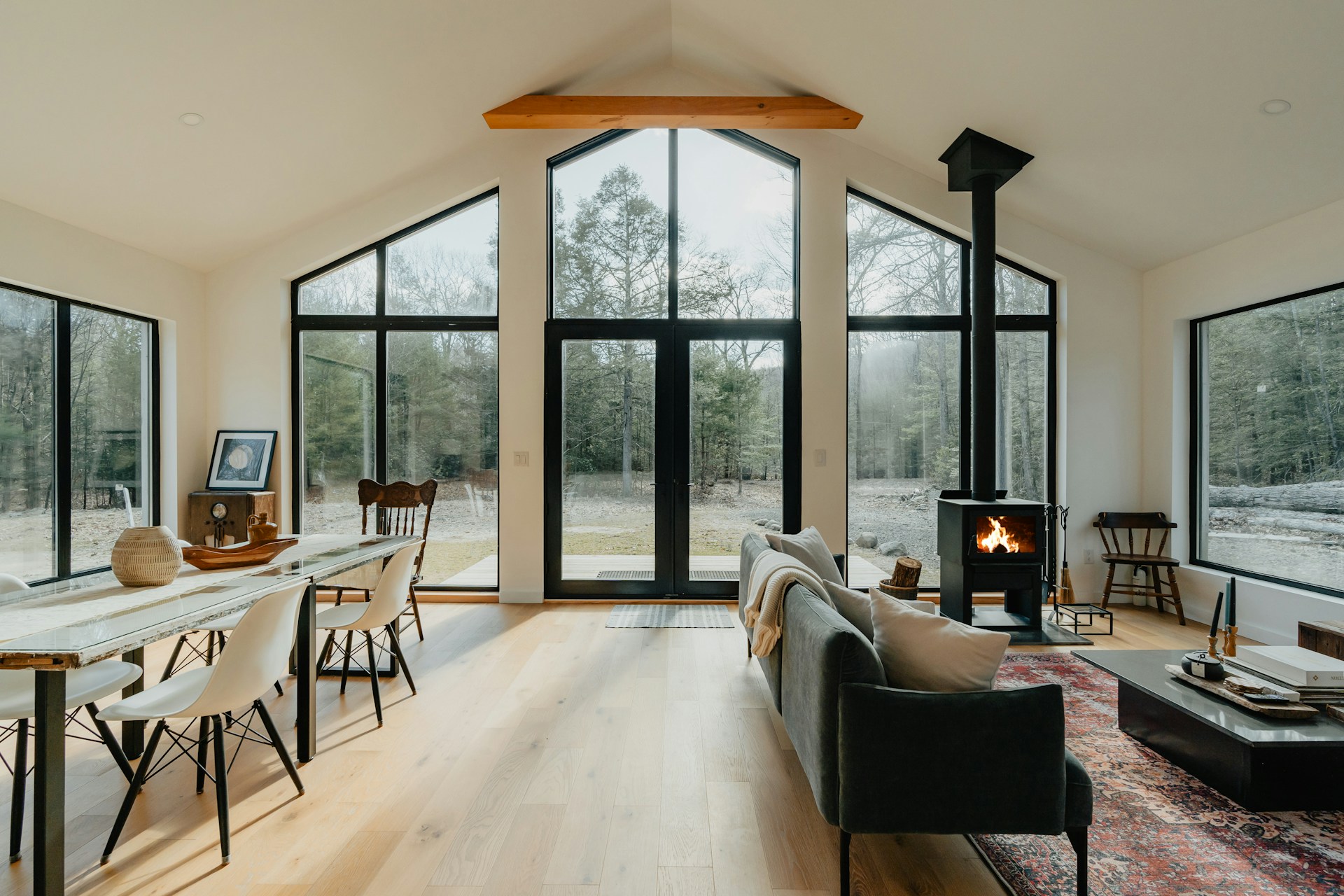
Windows have a bigger impact on your home’s energy efficiency than most people realize. If they’re outdated or poorly insulated, they can let heat escape in winter and allow excess warmth in during summer, forcing your heating and cooling systems to work harder. Over time, this leads to higher energy bills and a less comfortable living environment.
Modern window solutions are designed to solve these issues at the source. By improving insulation, reducing air leakage, and controlling how heat moves through your home, new windows help maintain a consistent indoor temperature and reduce overall energy consumption.
Better glazing & frames
One of the most effective ways to improve efficiency is upgrading to double or triple glazing in modern window systems. These windows use multiple panes of glass with insulating gas in between, which slows down heat transfer and keeps indoor temperatures more stable.
At the same time, frame materials play a crucial role. Older frames often allow heat to pass through easily, while modern materials are built for insulation and durability. Options like uPVC, fiberglass, and wood provide better thermal performance and help reduce drafts, making your entire window system more effective.
Coatings & sealing
Low-emissivity (Low-E) glass coatings add another layer of efficiency. These coatings reflect heat while still allowing natural light to enter, helping your home stay warmer in winter and cooler in summer without affecting visibility. It’s a subtle upgrade that makes a noticeable difference in how your home retains and blocks heat.
However, even the best glass won’t perform properly without correct installation. Poor sealing can lead to air leaks, drafts, and wasted energy. To ensure maximum efficiency, it’s important to focus on:
Professional installation for a tight, accurate fit
Quality weatherstripping to prevent air leakage
Proper insulation and sealing around the frame
When these elements work together, your windows can perform at their full potential and maintain a consistent indoor environment.
Design & upgrades
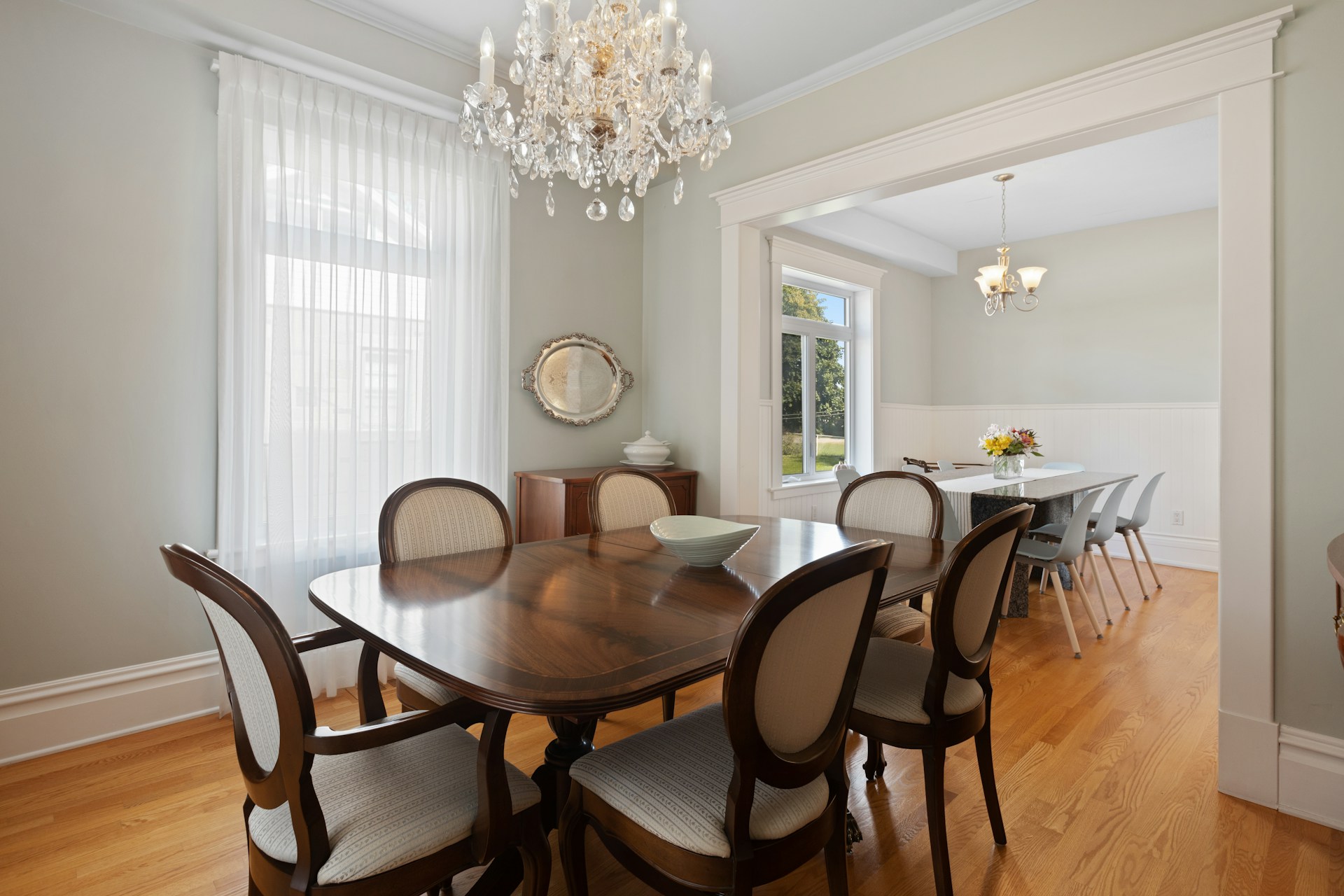
Energy efficiency also depends on how windows are used within your home and overall layout. Strategic placement can maximize natural light and even contribute to heating during colder months, while shading solutions can help prevent overheating in summer. Small design decisions can have a long-term impact on comfort and energy use.
Modern window technologies take this even further, offering features like smart glass, built-in blinds, and improved ventilation systems. These solutions give homeowners more control over light, temperature, and airflow, making it easier to maintain a comfortable space without relying heavily on artificial heating or cooling.
If your current windows are older or showing signs of wear, upgrading to modern solutions is often the best long-term decision. While minor issues can sometimes be repaired, replacing inefficient windows can significantly reduce energy use, lower utility costs, and improve everyday comfort.
Published: